
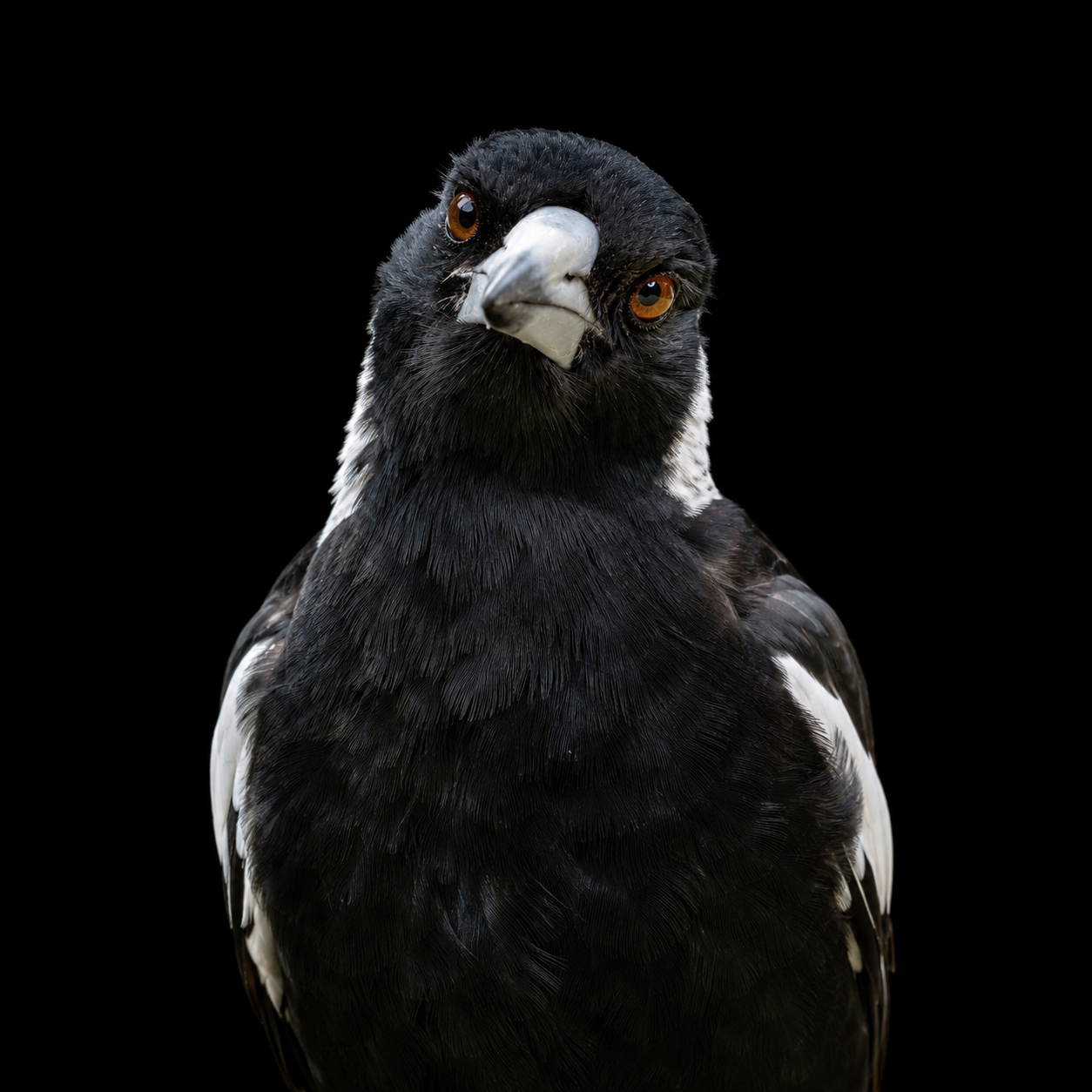
Should you rescue it?
The short answer is: not always.
Finding a bird on the ground can be worrying, particularly if it appears unable to fly. But not every bird needs rescuing, and intervening can sometimes do more harm than good.
Young birds often spend time on the ground while learning to fly, with their parents still caring for them nearby. Other birds may be injured or unwell and genuinely need assistance.
With avian influenza (bird flu) now present in wild birds in Victoria, it's also important to consider your own safety and avoid unnecessary contact with wildlife.
Before picking up a bird, take a moment to assess the situation.
Found a baby bird?
Spring and summer are busy breeding seasons, and it's common to find young birds on the ground. Whether they need help depends largely on their age and condition.
Fledglings: usually best left alone
Fledglings are young birds that have left the nest but are not yet confident flyers.
They are generally well feathered and may be seen hopping around on the ground, fluttering their wings or perching on low branches.
This is a normal stage of development, not necessarily a sign that something is wrong.
Their parents are usually nearby, watching over them and returning regularly with food. You may not see the parents while you're standing close to the bird.
If the fledgling appears bright, alert and uninjured:
Leave it where it is.
Keep dogs, cats and children away.
Watch from a distance to see whether its parents return.
Avoid repeatedly approaching or disturbing it.
If the bird is in immediate danger, such as on a busy road, contact Wildlife Victoria for advice before attempting to move it.
Nestlings: these birds may need help
Nestlings are younger birds that are not yet ready to leave the nest.
They may have few feathers, patches of bare skin or be unable to stand or perch properly.
If you find a nestling on the ground, it may have fallen from its nest or been displaced.
Rather than immediately taking it home or attempting to feed it, contact Wildlife Victoria for advice. Depending on the circumstances, it may be possible to reunite the bird with its parents.
Never attempt to give a baby bird food or water unless specifically instructed by an experienced wildlife rescuer. Incorrect feeding can cause serious harm.
Found a sick or injured bird?
A bird that is visibly injured, unusually quiet or behaving abnormally may need urgent assistance.
Signs of illness or injury include:
Difficulty standing, walking or flying
Loss of balance, tremors or unusual head movements
Breathing difficulties
Sitting with eyes closed, fluffed-up feathers or appearing unusually weak
Visible wounds, bleeding or a drooping wing
Failure to respond normally when approached
These signs can have many causes, including trauma, poisoning and infectious diseases.
Do not pick up or handle a sick bird.
Keep children and pets away and contact Wildlife Victoria on (03) 8400 7300 for advice.
If the bird has been caught by a cat or dog, it may have injuries that aren't immediately visible. Contact Wildlife Victoria promptly, even if the bird appears otherwise well.
Bird flu: why extra precautions are important
Highly pathogenic avian influenza (H5N1), commonly known as bird flu, has been detected in wild birds in Victoria.
Bird flu is a contagious viral disease that can cause severe illness and death in birds. Some species, particularly waterbirds, seabirds and birds of prey, are especially vulnerable.
The risk to people is considered low, but infection can occur through close contact with infected birds or contaminated material.
You cannot tell whether a bird has bird flu simply by looking at it. Some affected birds develop neurological or respiratory signs, while others may die suddenly without obvious symptoms.
What should you do if you suspect bird flu?
Avoid, Record, Report.
Avoid contact. Do not touch, move or collect sick or dead birds. Keep pets and children away.
Record what you see. Note the location, number and type of birds involved. Take photographs from a safe distance if possible.
Report it. Notify Agriculture Victoria using its online reporting system or call the Emergency Animal Disease Hotline on 1800 675 888.
In Victoria, you should report:
Even a single sick or dead wild waterbird, seabird, shorebird or bird of prey.
Five or more sick or dead wild birds of any species found together.
Suspected bird flu in pet birds or poultry.
Report sick or dead wild birds to Agriculture Victoria
What if you've already picked up a bird?
If you've already handled a wild bird, avoid further direct contact.
Wash your hands thoroughly with soap and water, and clean any surfaces or equipment that may have been contaminated.
If the bird is sick or injured, contact Wildlife Victoria or your veterinarian for advice on what to do next. Explain that you've already handled or contained the bird.
Do not release, transport or bring a potentially infected bird into a veterinary clinic without first receiving instructions.
If you've had direct contact with a bird suspected of having avian influenza, seek medical advice about any exposure concerns.
Can you bring a wild bird to our veterinary clinic?
Please call us before bringing any wild bird into the clinic.
Due to the risk of avian influenza and other infectious diseases, we need to assess the circumstances before accepting birds for examination.
If you've already contained a bird, please let our team know when you call. Do not bring it into our reception area unless instructed to do so.
For most wildlife emergencies, Wildlife Victoria is the best first point of contact. Their team can advise whether rescue is necessary and arrange appropriate assistance.
Who should you contact?
Wildlife Victoria
For injured, orphaned or distressed wild birds and other wildlife.
Phone: (03) 8400 7300
Website: wildlifevictoria.org.au
Agriculture Victoria
For reporting suspected bird flu in wild birds, poultry or pet birds.
Emergency Animal Disease Hotline: 1800 675 888
Website: agriculture.vic.gov.au/birdflu
Remember
A healthy young bird on the ground usually doesn't need rescuing. A sick or injured bird may need help, but that doesn't mean you should pick it up.
When in doubt, keep your distance and seek advice before intervening. It's the safest approach for you and the bird.